Lewa vs Borana conservancy may look like a single block on a map. In many ways, it now acts like one. Since the main fence came down, black rhino, Grevy’s zebra, elephant, and plains game have moved freely across one connected habitat of roughly 90,000 to 93,000 acres. But you still book your safari with one conservancy as the base, and the choice affects your days more than you may expect.
Are Lewa and Borana the Same Conservancy?
No. Lewa Wildlife Conservancy and Borana Conservancy remain separate privately managed properties, but removing the fence between them created one connected wildlife landscape of roughly 90,000 to 93,000 acres. Wildlife can move between both areas, while guests still book accommodation, activities, and fees through the individual conservancy or lodge.
For planning, the important word is landscape. The two conservancies are like neighboring ranches that decided to manage their wildlife together. The animals do not care which name is on the grass. A Grevy’s zebra seen in the morning may cross an invisible management line by lunchtime.
What has not disappeared is the management line. Lewa runs its own vehicles, guides, rules, and fee schedule. Borana does the same on its side. That is why you usually choose one as your base, then decide whether to add days at the other.
Both sides depend on conservation income. Every lodge night and activity helps fund security and community work. If you want to track rhino at Lewa, read the Lewa Conservancy rhino tracking rules before you arrive. This is not a normal game drive.
What Are the Lewa vs Borana Wildlife and Safari Differences?
Choose Lewa for its established rhino conservation story, UNESCO recognition, and strong chance of seeing Grevy’s zebra; choose Borana for the same connected rhino landscape with hillier, greener scenery and fewer vehicles. Neither guarantees a particular sighting, because animals move freely across the unfenced boundary.
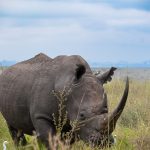
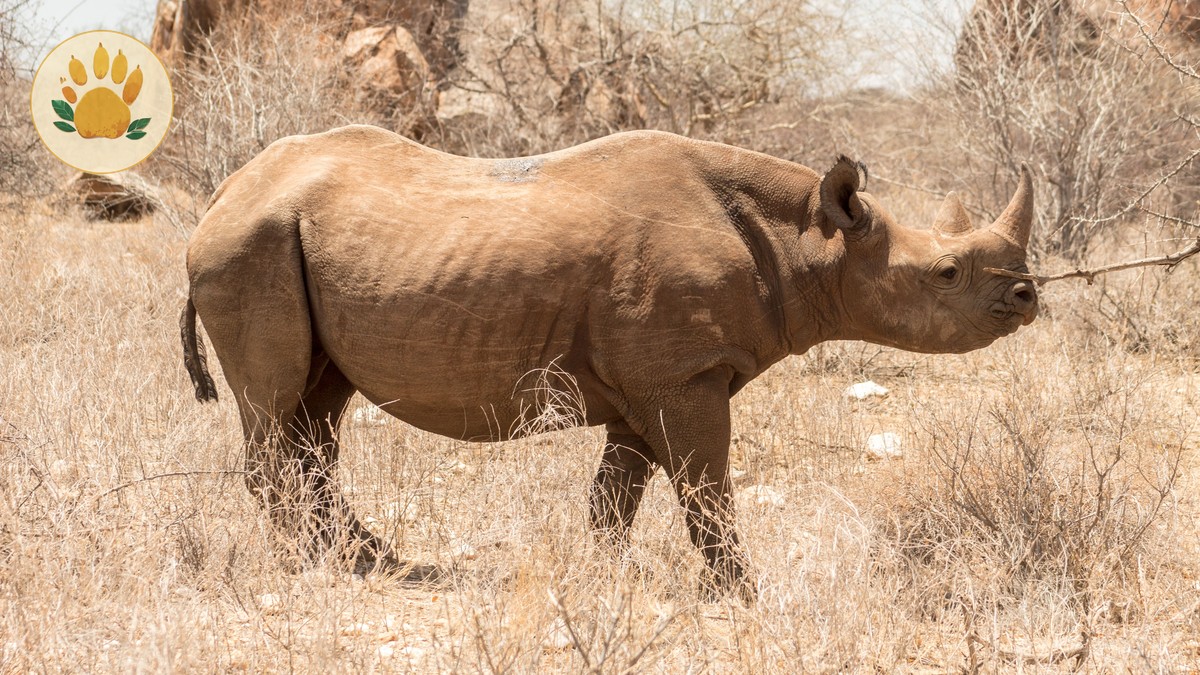
Lewa has the longer public history as a rhino sanctuary. The conservancy began on what was once a cattle ranch, and rhino protection became the central job. Black rhino numbers grew steadily over decades, and today Lewa remains one of northern Kenya’s most reliable places to search for them. Reliable still means patient scanning, not a fixed schedule.
Borana started nearby with the same conservation goals. It adds habitat and a different kind of country. The land rises toward the hills, rainfall is often higher, and the vegetation is greener. Vehicle pressure is lower, which makes it easier to sit quietly with a sighting.
On a Lewa safari, Grevy’s zebra are the star species. These large, narrow-striped zebras have oversized ears and a different social rhythm from the common zebra seen in the Mara. Borana guests see them too, because the animals mix across the unfenced boundary. For most travelers, the wildlife list is similar. The context is not.
For a realistic view of how rhino work happens here, read what guests see on a Lewa rhino monitoring experience before you set expectations. You spend time with ranger teams, you wait in the vehicle, and you watch from a respectful distance. That is how it works, and the quiet minutes make the final sighting more meaningful.
Lewa vs Borana Camps, Activities, and Atmosphere: Which Should You Pick?
Lewa suits travelers prioritizing classic game drives, established luxury camps, and a more structured safari base. Borana suits guests seeking a smaller, quieter camp footprint, horseback safaris, walking, mountain views, and a working cattle-ranch setting. Borana Lodge and Arijiju are notable stays, while Lewa has the broader established tourism offering.
Lewa’s camp scene has matured over decades. Stays like Lewa Safari Camp and Lewa House have long been part of the northern Kenya circuit, and Sirikoi is well known for its combination of lodge rooms and private houses. These are solid bases with experienced guides, and they make a classic game-drive safari easy to arrange.
Borana feels more deliberate. Borana Lodge sits on high ground with wide views across the valley, while Arijiju is built on a smaller, more private scale. Neither tries to be a big camp. Many guests stay for days without hearing many other vehicles.
The activity difference is what most people should weigh. Borana is one of Kenya’s strongest places for a horseback safari. Riders can come close to plains game in ways that vehicles never can. Walking is often better on Borana’s hills as well. Lewa offers walking, but its reputation rests on the traditional game drive and rhino monitoring.
For repeat visitors who have already spent time in the Maasai Mara, Borana often feels more refreshing on a first visit. For families, or guests who prefer a structured schedule and more camp choices, Lewa can be the easier fit. Travelers with time often combine them and count the cross-boundary move as one of the best parts.
Below is a quick comparison of the two experiences.
| Factor | Lewa Wildlife Conservancy | Borana Conservancy |
|---|---|---|
| Safari feel | Established circuit with classic game drives | Quieter, more private, ranch-like setting |
| Landscape | Open plains and savannah country | Hillier, greener terrain with broad valley views |
| Signature activities | Game drives, guided rhino monitoring | Horseback safari, walking, exclusive vehicle use |
| Camp atmosphere | Wider range of traditional safari camps | Smaller number of high-end lodges and private houses |
| Known stays | Lewa Safari Camp, Lewa House, Sirikoi | Borana Lodge, Arijiju |
| Vehicle pressure | Higher, especially in peak months | Lower, especially on weekdays |
How Much Do Lewa and Borana Conservancy Visits Cost?
Indicative conservancy fees are approximately $100-$120 per person daily at Lewa and $90-$110 at Borana, but lodge rates and activity charges matter more to the final bill. Borana’s published extras include $350 per vehicle daily for exclusive use and roughly $134-$200 per adult for a Lewa visit, depending on season and rate schedule.
Keep in mind that Lewa and Borana are private conservancies, not Kenya Wildlife Service national parks. Their daily fees are set by the properties themselves, and they support anti-poaching, ranger salaries, and community programs. The figures below are a starting point, not a final quote.
| Cost item | Lewa Wildlife Conservancy | Borana Conservancy |
|---|---|---|
| Indicative non-resident daily conservancy fee | USD 100-$120 per adult | USD 90-$110 per adult |
| Standout published add-on | Confirm current Lewa rate sheet with your operator | Lewa day visit about USD 134-$200 per adult; exclusive vehicle about USD 350 per vehicle per day |
| What usually affects the total | Lodge class, number of nights, rhino monitoring, private vehicles | Lodge class, riding, Lewa visit, private vehicles, number of nights |
The $90-$200 range in the title gives you the practical scale. The lower end is a Borana daily conservancy fee. The upper end appears when you stay at Borana and add a separate visit to Lewa. Your lodge rate, meals, transfers, and tips come on top of these figures.
If you want to understand where your money goes, read how conservancy fees help communities. This landscape works because visitor fees stay local, and that matters when you choose between two very good options.
Which Conservancy Should You Choose?
Choose Lewa if Grevy’s zebra, UNESCO status, established camps, and a classic rhino-focused safari matter most. Choose Borana if privacy, horseback riding, walking, greener hills, and fewer vehicles matter more. Combining both is practical because the conservancies share an open boundary, although visiting the neighboring property can add a separate charge.
Lewa is the safer pick if you want a full northern Kenya experience with plenty of established camp options. Guests who care about rhino conservation history often appreciate Lewa’s longer public record and the ease of arranging guided monitoring.
Borana is the stronger pick if you want fewer vehicles and a more tactile connection with the country. The horseback option alone justifies Borana for many repeat Africa visitors. You can still enjoy strong game viewing, because the rhino population uses the entire shared landscape.
A travel plan can include both. A common system is to stay at Borana for the quiet and riding, then set aside one full day for a Lewa visit with a dedicated guide. Confirm the cross-conservancy charge before you book, because it may not be included in your lodge rate.
What Do Travelers Ask About Lewa vs Borana Conservancy?
Are Lewa and Borana the same conservancy?
No. They are separate conservancies that now form one connected wildlife landscape after the boundary fence was removed. Guests still book lodges and pay activity or access charges through the relevant conservancy.
Is Lewa or Borana better for rhino sightings?
Both are strong choices because black rhino conservation is central to the connected Lewa-Borana landscape. Lewa has the longer-established sanctuary reputation, while Borana adds habitat and a quieter setting. Sightings remain unpredictable because rhinos move across the unfenced landscape.
Can you visit Lewa from Borana Conservancy?
Yes. Borana’s published rates list visits to Lewa Wildlife Conservancy as an additional activity, with adult charges varying by season and rate schedule. Confirm the current fee and arrangements with the lodge before booking.
Which is better for a quieter safari, Lewa or Borana?
Borana is generally the better fit, with fewer vehicles, a smaller camp footprint, hillier terrain, and strong walking and horseback options. Lewa may suit travelers who prefer a more established safari circuit and a wider choice of classic game-drive experiences.
How much does it cost to visit Lewa from Borana Lodge?
Published Borana rate information lists an adult Lewa visit at approximately $134-$200, depending on the applicable season and rate schedule. This is an additional activity charge, so accommodation, meals, transfers, and other conservancy costs may still apply.
The SafariPure Difference
SafariPure plans northern Kenya trips around pace, not just names. We put experienced local guides on the ground, we keep drives realistic, and we suggest whether Lewa, Borana, or both will serve you best.
The SafariPure difference shows up in the details. We confirm current conservancy fees, we check cross-conservancy charges, and we match your lodge style to your travel style. A repeat visitor who wants a quiet Borana horseback safari should not be sold a busy week-long package unless that is the right fit.
SafariPure also keeps your itinerary flexible. If the rhino movement shifts, or the weather changes your plans, someone on the ground can adjust the route. That matters more in Laikipia than in a place with many interchangeable lodges.
Ready to Plan a Lewa or Borana Safari?
A well-paced trip should feel simple from your side. Tell us which part attracts you, whether it is a Lewa rhino safari or a Borana horseback safari, and we will shape the rest around it.
Start planning your Lewa or Borana safari by visiting the SafariPure contact page. We can talk through daily costs, lodge options, and whether to combine both conservancies before you make a final choice.